Code, Noted
· Modernization · 4 min
The strangler fig, twenty years on
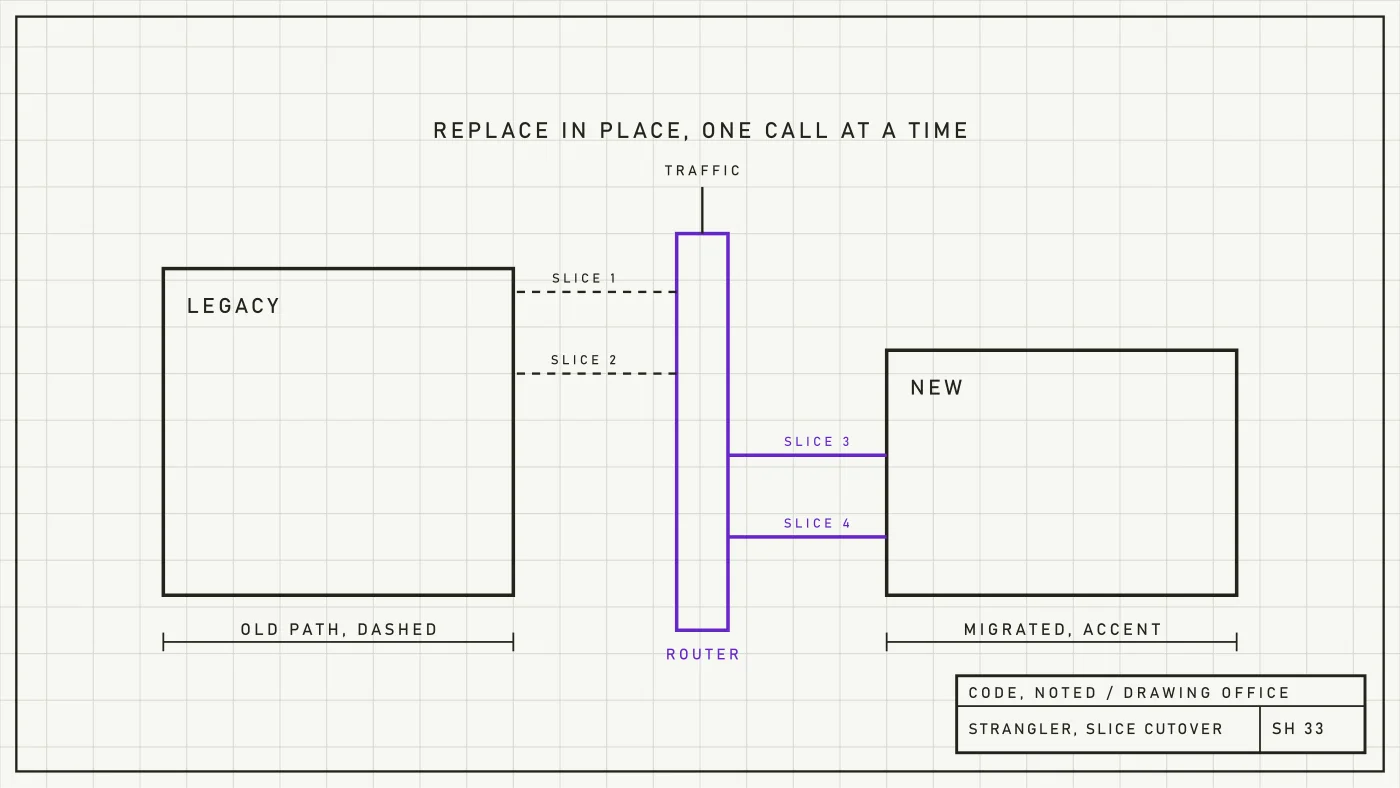
Martin Fowler named the incremental-replacement pattern in 2004. Two decades later it is quoted more than it is followed, and the gap is where modernizations die.
Essays on architecture, modernization and delivery inside large organizations. Long-form, sourced, and unhurried: the systems in question took decades to build, so the essays can take a few weeks.
· Modernization · 4 min
Martin Fowler named the incremental-replacement pattern in 2004. Two decades later it is quoted more than it is followed, and the gap is where modernizations die.
· Leadership · 3 min
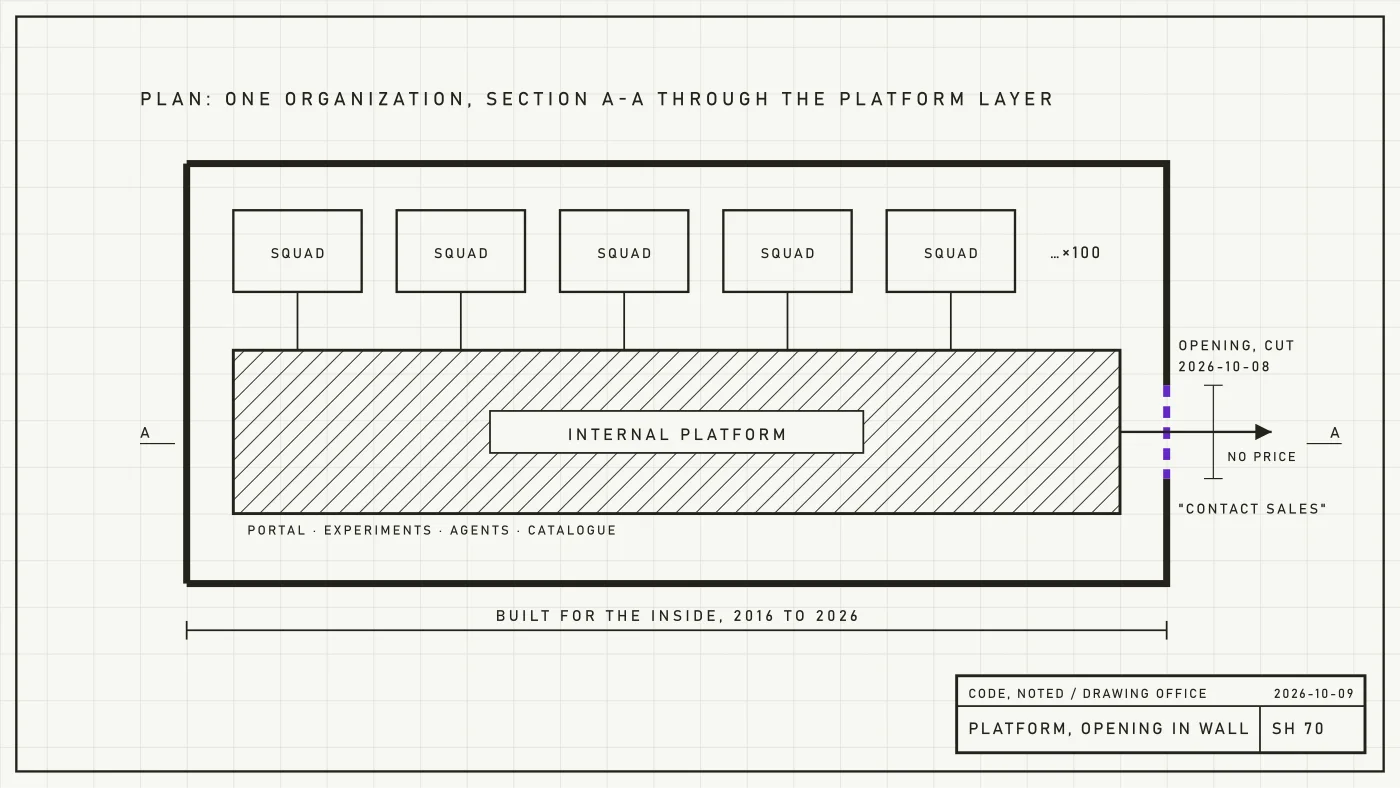
Spotify opened a storefront for its internal engineering platform on October 8. An essay on what a platform team becomes when its customers start paying, and what Amazon learned about that in 2006.
· Delivery · 2 min
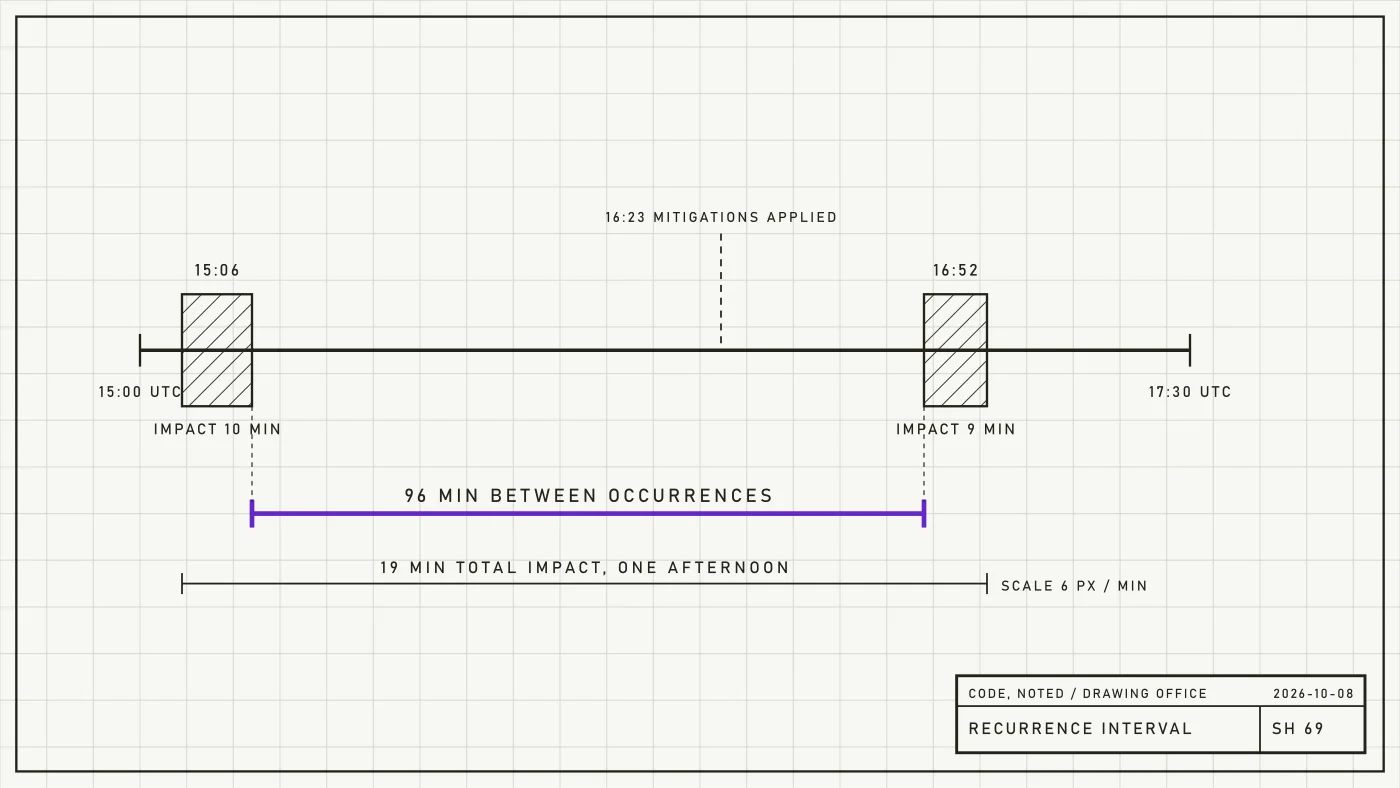
GitHub went down twice on October 7, ten minutes each time. The second incident's own status update called it a reoccurrence, which is the word that separates a mitigation from a fix.
· Architecture · 1 min
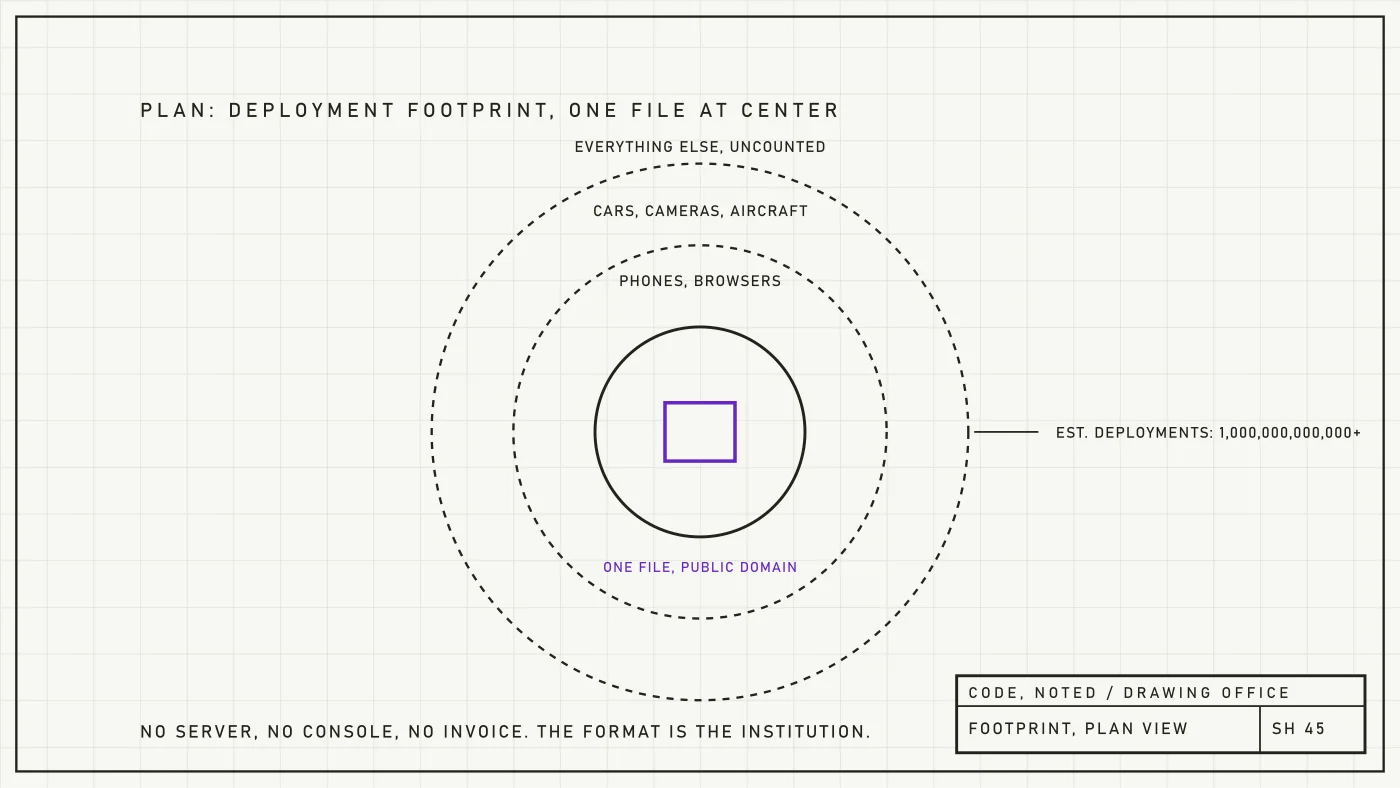
The most deployed software in the world has no server, no company, and no sales team. A short note on what SQLite's ubiquity says about infrastructure.
· Architecture · 6 min
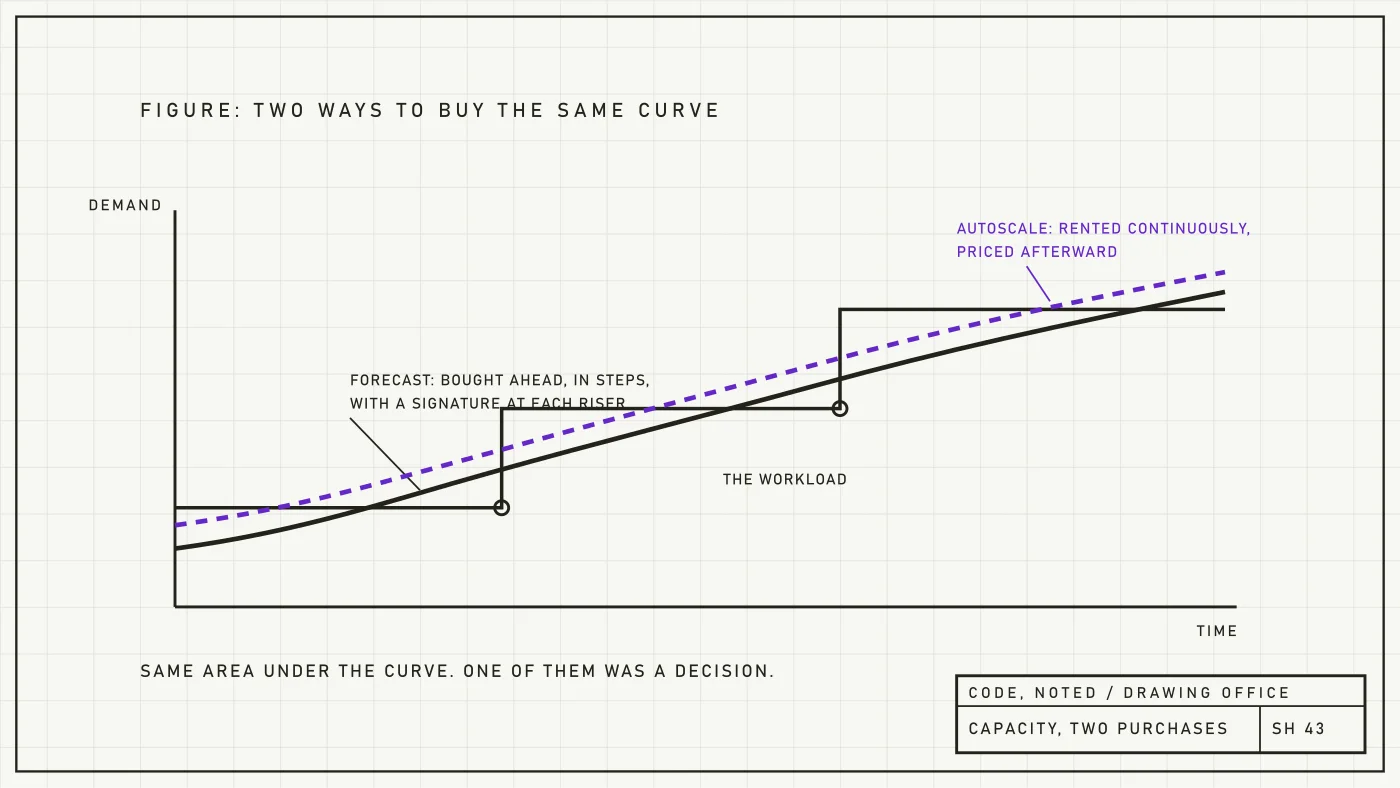
For forty years someone owned the forecast. Autoscaling did not eliminate the discipline; it moved it to the other side of the invoice. An essay on a job title the cloud dissolved.
· Modernization · 3 min
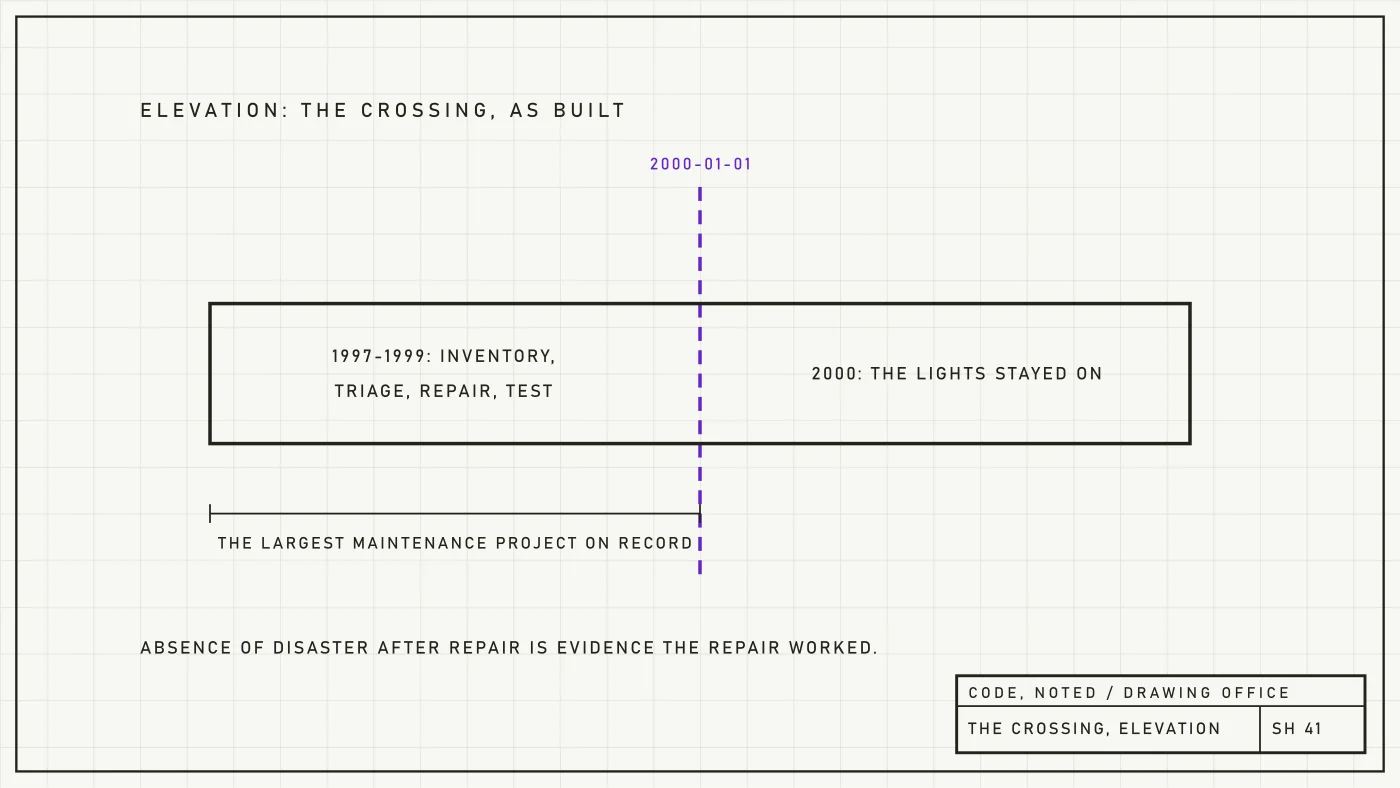
The disaster that did not happen is remembered as a panic that was wrong. The record says otherwise, and the difference matters for every deadline since.
· Practice · 3 min
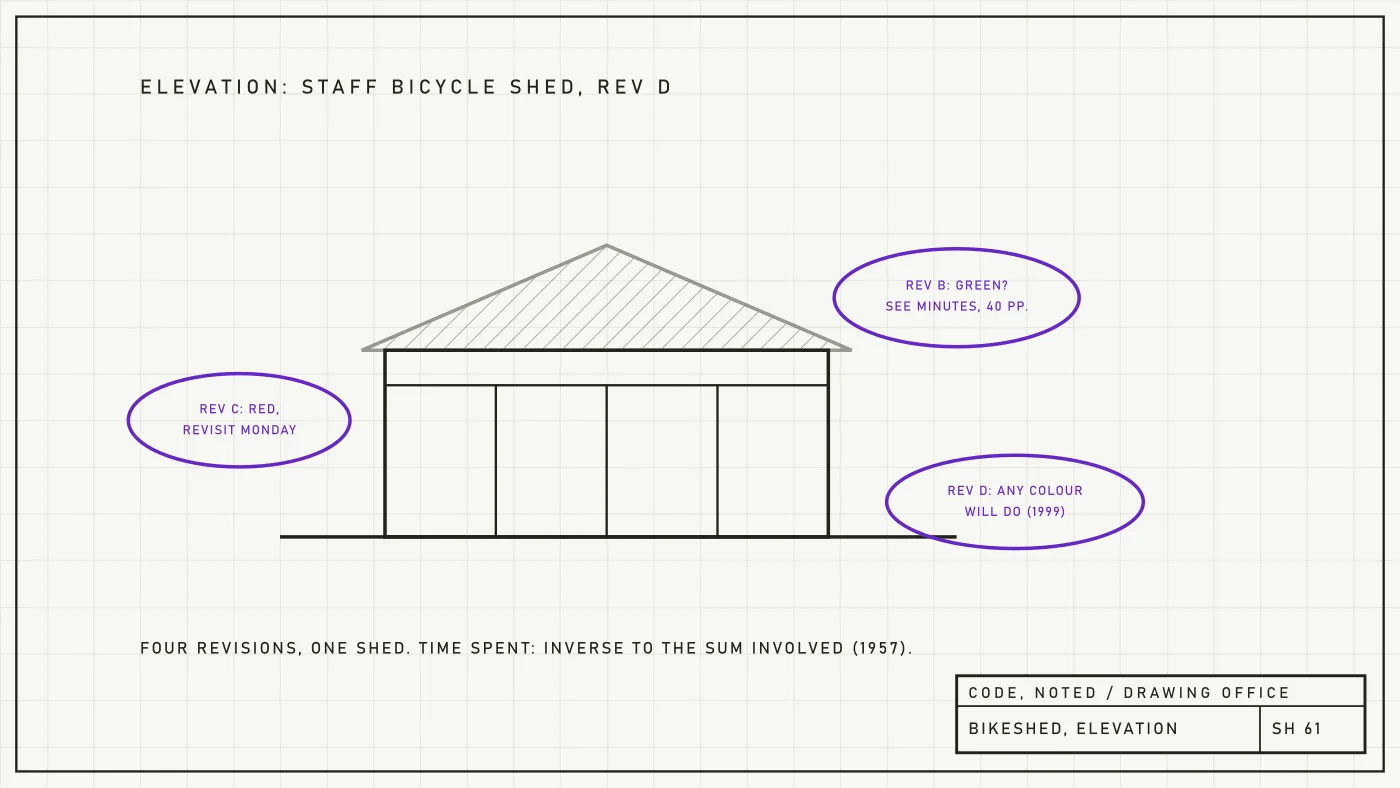
Parkinson's law of triviality is from 1957; the email that renamed it for software is from 1999. Both are quoted weekly and obeyed nowhere. On attention, consequence, and a budget for reviews.
· Leadership · 2 min
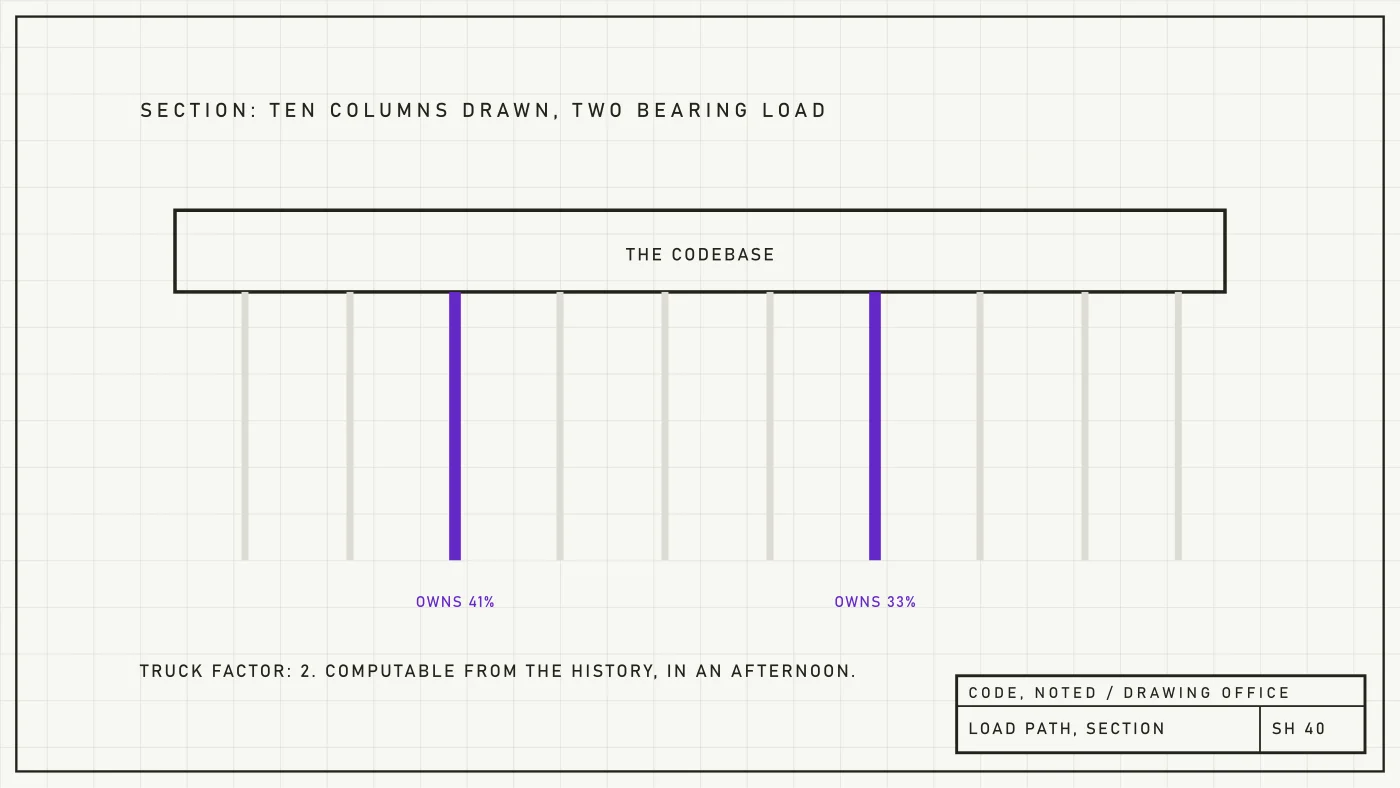
Knowledge concentration can be measured from the repository itself, and researchers have been doing it for a decade. On the number nobody computes until the resignation.